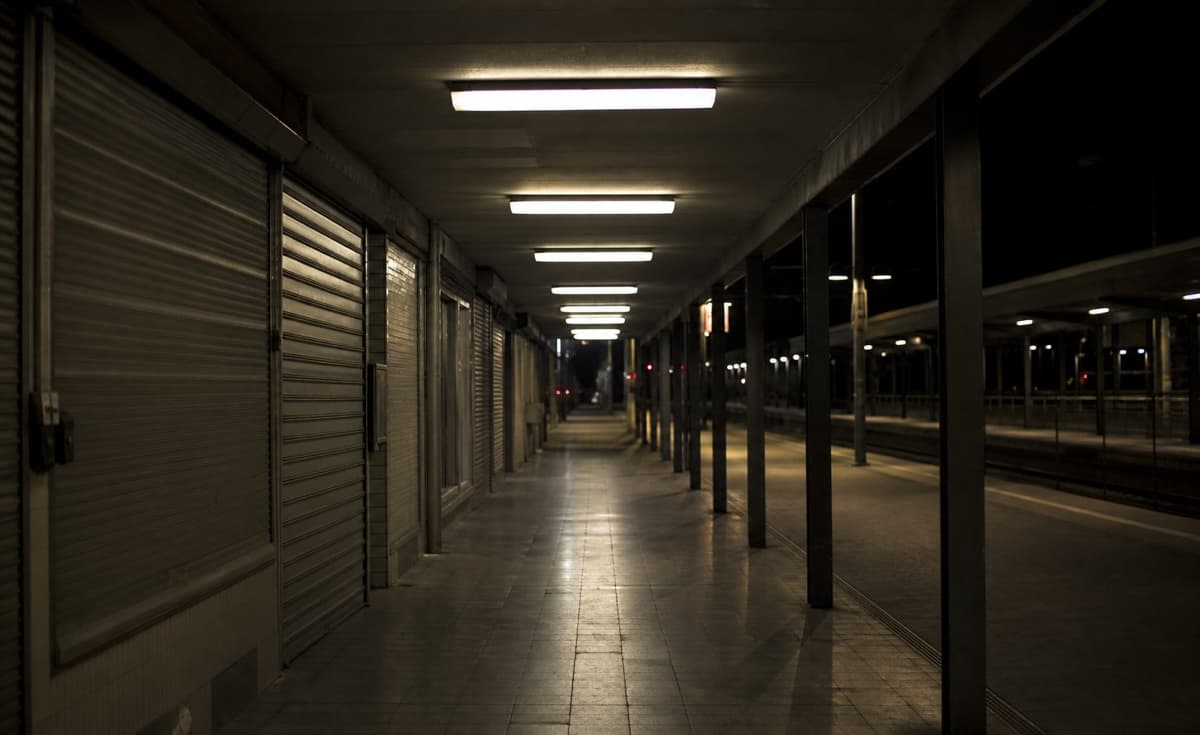
During the day, stations are transitions; at night they become stages. When voices disappear and machines continue running, sounds emerge that are otherwise swallowed.
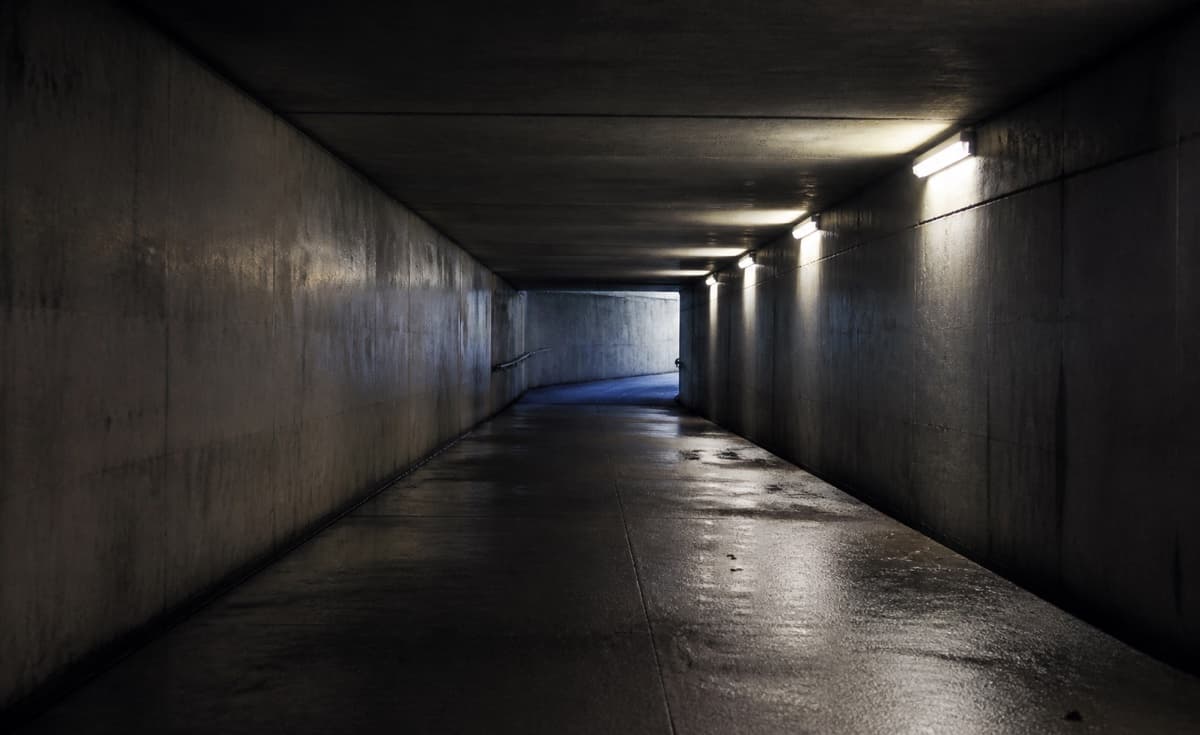
In Düsseldorf, the station is often perceived at night as a place of its own: not dangerous in a dramatic sense, but strangely concentrated. Escalators, announcements, distant steps and closed doors create a second acoustics.
Such impressions are not automatically evidence of something hidden. They do show how strongly spaces change their meaning when use and light change.
Anyone who wants to understand hidden places should not look for sensations at night. It is enough to notice what is overheard during the day.