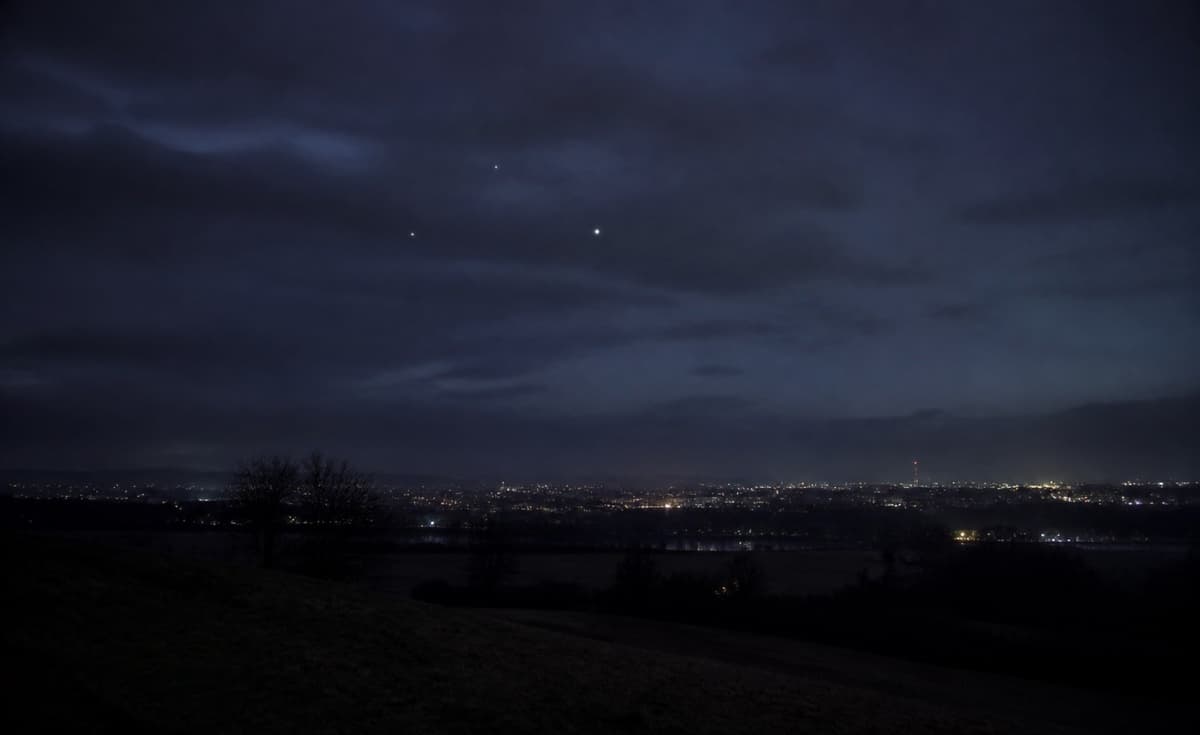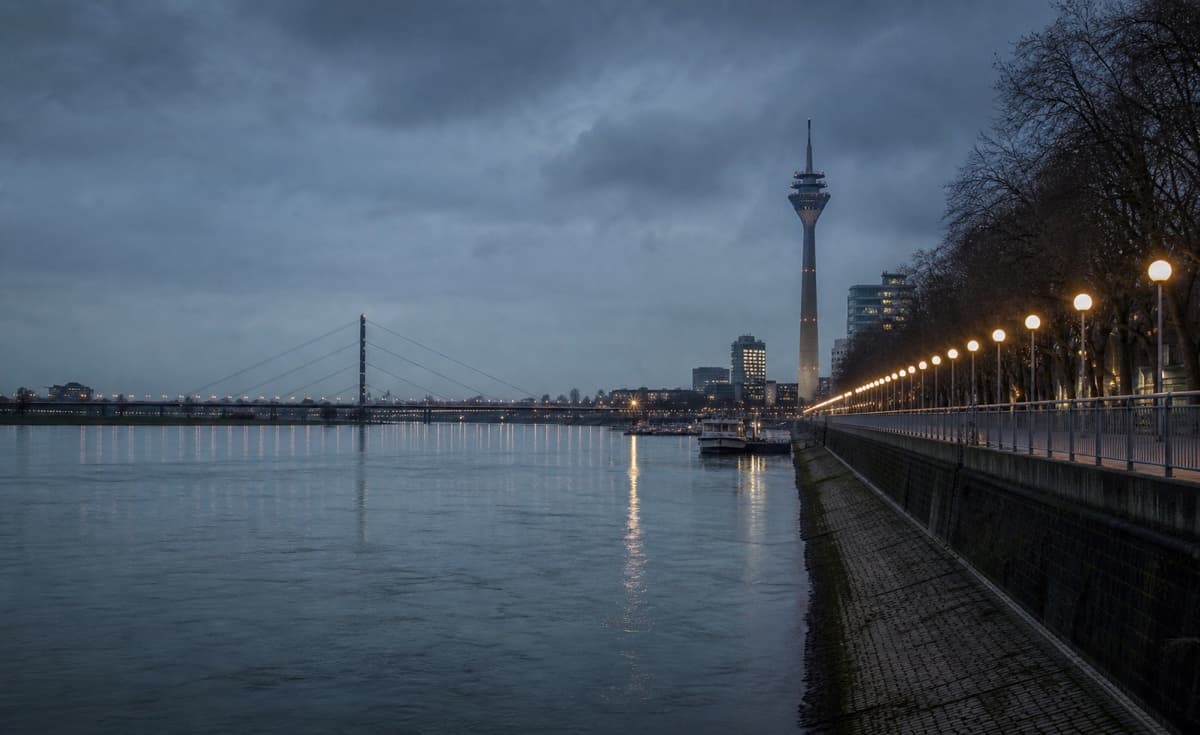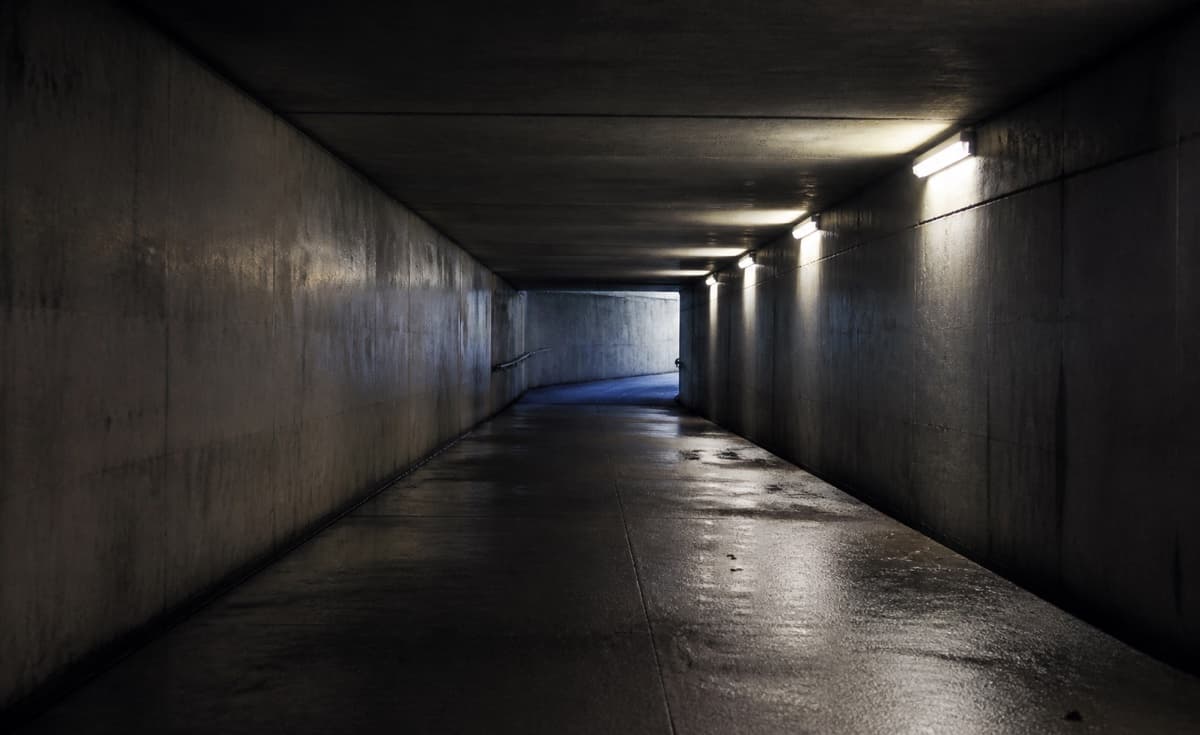
Underground rooms generate rumours because they are visibly invisible. People walk over them every day, notice shafts, vents or locked doors and realise that the city has more layers than the map admits.
In Düsseldorf, such stories are often told along old traffic axes. That does not mean a secret waits behind every door. It does show, however, that infrastructure forms a second, less official story in the city's memory.
Many tunnels are simply utilities, technical spaces, old storage rooms or forgotten connecting corridors. Still, the look is worthwhile, because official descriptions are often shortened. What is no longer used quickly disappears from public awareness.
The serious question is not: what is being hidden? It is: which spaces are documented, which are only hinted at, and which exist mainly as stories?